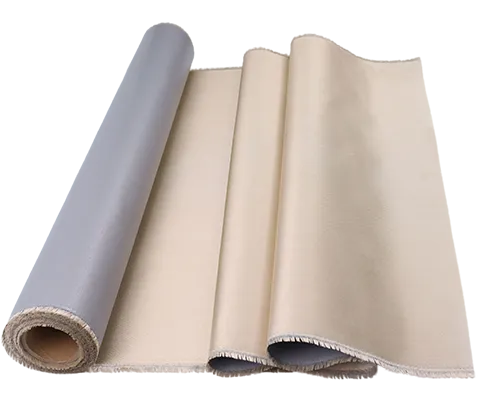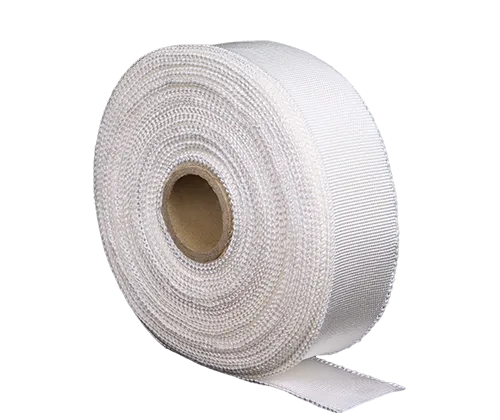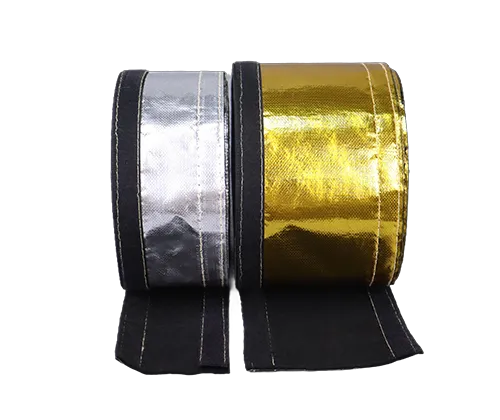
Electrical fires spread faster than most emergency responses. Our 1500°C-rated fire tape provides critical minutes for evacuation and system shutdown.
Ningguo Zhongdian's fire tape creates instant flame barriers with UL94 V-0 certification, stopping flame propagation along cables and joints within 15 seconds of contact, even at 1000°C direct flame exposure.
Why do nuclear plants and data centers specify our tape when standard options fail under real fire conditions? The engineering tells the story.
A single spark can cost millions in cable damage. Our tape seals these vulnerabilities before fires escalate.
When properly applied, our tape forms ceramic char at 500°C, creating an insulating layer that reduces heat transfer by 87% compared to conventional tapes.
1. Cable Fire Protection
Halts flame travel along bundled cables
Prevents arc flash between conductors
Maintains circuit integrity for 90+ minutes
2. Equipment Safety
Application | Tape Specification | Protection Benefit |
Transformer Bushings | 50mm width | Prevents oil fire spread |
HVAC Duct Joints | 100mm width | Blocks smoke migration |
Electrical Cabinet Penetrations | 75mm width | Maintains IP rating |
3. Structural Gaps
Seals expansion joints in high-rises
Protects steel beam connections
Contains warehouse racking fires
Not all "fire-resistant" tapes perform when needed. Here's how professional-grade tape differs from hardware store variants.
Genuine fire tape maintains adhesion above 300°C (unlike standard tapes that melt) and passes BS 476-6 fire propagation tests, not just basic vertical burn tests.
1. Material Composition
Ours: Ceramic-loaded silicone base
Ordinary: Fiberglass with rubber adhesive
2. Certification Benchmarks
Our Tape: IMO FTP Code Part 5 compliant
Basic Tape: Typically only UL510 tested
3. Failure Thresholds
Parameter | Industrial Fire Tape | Standard Tape |
Peak Temp | 1500°C (30min) | 300°C (fails) |
Smoke Density | Ds <50 | Ds >200 |
Adhesion | Maintains @400°C | Fails @150°C |
Even the best tape underperforms if installed wrong. Follow these field-tested methods from our global projects.
For optimal protection, overlap tape edges by 50%, apply under moderate tension, and use proprietary termination clips at all tape ends as per EN 1366-3 standards.
1. Surface Preparation
Clean with approved solvent (no abrasives)
Degrease metal surfaces completely
Round all sharp edges (>2mm radius)
2. Application Techniques
Stretch to 110% original length during wrapping
Maintain 30% minimum overlap on spirals
Use stainless steel buckles at intersections
3. Quality Verification
Conduct 24-hour adhesion test
Verify no air pockets (ultrasonic test)
Document with thermal imaging
Still have questions about choosing, using, or installing Fire Tape? We’ve answered the most common questions below for quick reference.
1. Can Fire Tape be used outdoors?
Yes. Many Fire Tape products are suitable for outdoor applications due to their durability and resistance to weathering, although long-term exposure conditions should be evaluated.
2. Is Fire Tape flexible and easy to install?
Yes. Fire Tape is generally designed to be flexible and easy to wrap around pipes, cables, hoses, and irregular surfaces for convenient installation.
3. Can Fire Tape be customized?
Yes. Fire Tape can often be customized in terms of width, thickness, color, adhesive type, and temperature resistance to meet specific industrial needs.
4. What factors affect the lifespan of Fire Tape?
The service life of Fire Tape depends on operating temperature, environmental exposure, mechanical wear, moisture, and chemical contact.
5. Is Fire Tape safe for industrial use?
Yes. Most industrial-grade Fire Tape products are manufactured to meet relevant fire safety and performance standards for thermal protection and insulation applications.
Ningguo Zhongdian's fire tape delivers verified flame containment for mission-critical applications, engineered to outperform when temperatures rise catastrophically.
 English