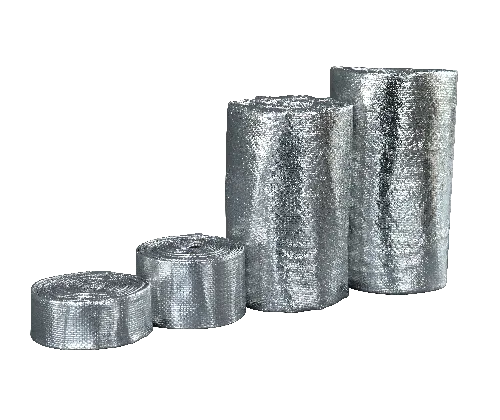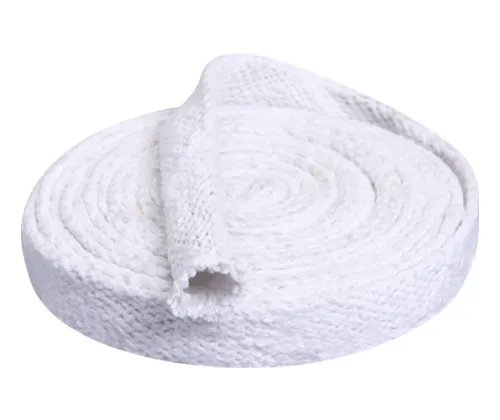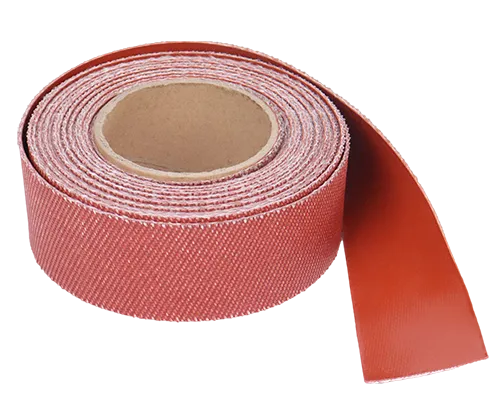
Fire sleeve is an essential high-performance protective material widely used in industries where extreme heat, flame exposure, and molten splash hazards are present. Manufactured with advanced fiberglass yarn and coated with silicone rubber, fire sleeve provides reliable thermal insulation and mechanical protection for hoses, cables, and wires in harsh environments.
As global industries continue to demand higher safety standards and longer equipment lifespans, fire sleeve has become a critical component in automotive, aerospace, metallurgy, marine engineering, and heavy machinery applications.
Fire sleeve is engineered to withstand continuous exposure to high temperatures, typically ranging from 260°C up to 1000°C depending on structure and coating type. This makes it suitable for protecting hydraulic hoses, fuel lines, wiring harnesses, and fluid transfer systems.
In automotive engines and industrial machinery, fire sleeve helps prevent catastrophic failures caused by heat degradation or accidental fire exposure. For example, hydraulic systems operating near exhaust manifolds benefit significantly from fire sleeve insulation, which reduces the risk of fluid leakage or hose burst due to thermal stress.
Beyond transportation, fire sleeve is also widely used in steel plants, glass manufacturing, and welding operations. In these environments, molten metal splash and radiant heat pose constant threats to equipment integrity. Fire sleeve acts as a durable barrier, extending service life and improving operational safety.
The performance of fire sleeve is derived from its layered construction. The inner fiberglass braided core provides mechanical strength, while the outer silicone coating ensures resistance to oil, water, UV radiation, and chemical exposure.
This dual-layer structure allows fire sleeve to maintain flexibility while offering superior protection against abrasion and vibration. Unlike rigid heat shields, fire sleeve can be easily installed over complex hose assemblies without compromising movement or performance.
Another key advantage of fire sleeve is its self-extinguishing property, which significantly reduces fire propagation risks in industrial systems. According to safety guidelines referenced by the Occupational Safety and Health Administration (OSHA), thermal insulation materials play a vital role in reducing workplace fire hazards and improving equipment safety compliance.
Modern manufacturing demands highly customized protective solutions, and fire sleeve products are no exception. Depending on application requirements, fire sleeve can be produced in different diameters, wall thicknesses, and temperature resistance grades.
At Ningguo Zhongdian New Material Co., Ltd., fire sleeve solutions are designed to meet the needs of distributors, foreign trade companies, and OEM factories worldwide. The company focuses on precision braiding technology and high-quality silicone coating processes to ensure consistent product performance.
Here are reference product visuals from the manufacturer:
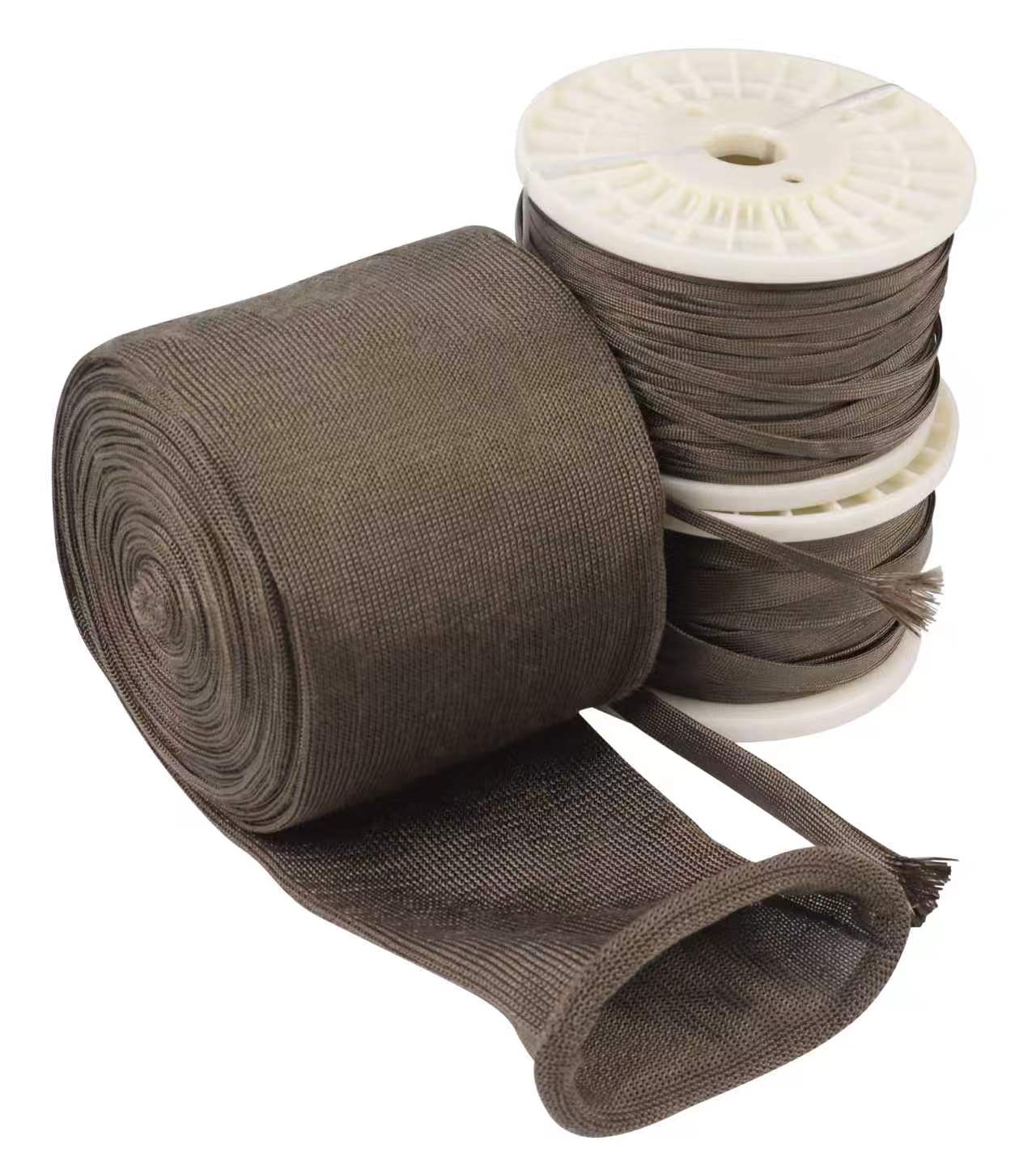
These fire sleeve products are widely used in hydraulic systems, electric vehicle wiring protection, and high-temperature industrial pipelines.
Q1: What is fire sleeve made of?
A: Fire sleeve is typically made from braided fiberglass yarn coated with high-grade silicone rubber for heat and flame resistance.
Q2: What temperature can fire sleeve withstand?
A: Standard fire sleeve can withstand continuous temperatures up to 260°C, with short-term exposure resistance reaching higher levels.
Q3: Where is fire sleeve commonly used?
A: It is widely used in automotive engines, aerospace systems, steel plants, welding environments, and hydraulic machinery.
Q4: Is fire sleeve resistant to oil and chemicals?
A: Yes, the silicone coating provides strong resistance to oil, moisture, UV, and many industrial chemicals.
Q5: Can fire sleeve be customized?
A: Yes, manufacturers offer customization in diameter, thickness, color, and temperature rating based on application needs.
Fire sleeve is a critical protective solution for industries operating under extreme thermal and mechanical stress. Its combination of fiberglass strength and silicone flexibility ensures long-lasting protection for essential systems such as hoses, cables, and hydraulic lines. With increasing global safety requirements, fire sleeve continues to play an important role in improving equipment reliability and reducing operational risks across multiple industries.
 English